When autumn leaves finally show their true colors and then drop, it’s a big signal for Green Bay homeowners: time for a thorough fall tree inspection. This isn’t just about enjoying the pretty scenery; it’s a smart, proactive move to keep your trees safe and healthy before Wisconsin’s brutal winter hits. Honestly, if you ignore potential issues now, you could be looking at some serious headaches later, like expensive storm damage or dangerous falling branches once snow and ice take over Brown County. Here at Urban Tree Service, we get the specific challenges trees face here in Northeast Wisconsin, and we’re happy to walk you through the key checks.
Our team of experts can’t stress this enough: a complete fall tree inspection helps you spot weaknesses that heavy snow, strong winds, or freezing rain could make way worse. Taking a little time now to look at your trees can save you a ton of worry and money in the coming months. Plus, proper tree care also boosts your property’s look and value, making this annual check a smart investment.
Why a Fall Tree Inspection is Crucial Before Winter
The shift from fall to winter brings a whole host of environmental challenges that can really mess with your trees’ health and strength. A careful fall tree inspection lets you find and fix these weak spots early, stopping potential damage to your home or, even worse, injuries. And because trees drop their leaves, it’s easier to see their branch structure, which is perfect for finding problems that might be hidden during warmer months. This is especially important in Green Bay, where winter can get pretty gnarly.
One of the main reasons to do a complete fall tree inspection is to cut down on the risks from heavy snow and ice. For example, weak or dead branches are much more likely to snap under all that winter weight. These ‘widow makers’ are a real danger to houses, cars, and anyone standing nearby. Identifying and getting rid of these hazards now is a crucial part of getting your trees ready for winter. Cracks or decay in the trunk or major limbs are often hidden by leaves, but they become clear after leaf drop, allowing for timely intervention.
What to Look For: Spotting Tree Hazards During Your Fall Inspection
When you’re inspecting your trees this fall, knowing what problems to look for is key. Small issues in warmer weather can quickly escalate into huge disasters once winter arrives, believe me. So, if you’re eagle-eyed during your check-up, it can really save you a lot of trouble. What, specifically, should you be on the lookout for?
First, pay close attention to dead or dying branches. These usually feel brittle and can break easily under stress. They might not have bark, look discolored, or be totally bare while other branches still have leaves. Next, look for cracks or splits in the trunk or major limbs. These can seriously weaken the tree’s structural integrity. Then, examine the tree for signs of decay, such as soft, spongy wood, fungal growth (mushrooms), or hollow spots. All these point to internal rot that can compromise the tree from the inside out. Finally, check the tree’s overall lean or how stable it seems. A sudden, noticeable lean could mean root damage or instability, especially after a particularly wet season that might have softened the soil around the root base. You know, an arborist can give you that expert tree inspection Wisconsin residents really trust.
Fall Tree Inspection: A Deep Dive into Tree Structure
A tree’s structure is absolutely critical for its long-term health and safety, especially when you consider the heavy snow and powerful winds we get in Northeast Wisconsin winters. That’s why a good fall tree inspection should always include a close look at the tree’s overall shape. Try looking up into the canopy from a few different spots. Are any branches rubbing against each other? That constant friction can create wounds, making the tree vulnerable to disease and decay, and forming weak spots where breaks are much more likely.
Also, don’t overlook the branch attachments. Look for V-shaped crotches where branches meet the trunk, or if they’re the sturdier U-shaped kind. Those V-shaped ones are typically weaker, you know, more prone to splitting when things get rough. And, check for any branches growing back into the canopy or crossing over other limbs. These can really mess with healthy growth and throw off a tree’s balance. A well-formed, balanced crown really helps a tree stand up to winter’s challenges. Make sure you’re checking for girdling roots at the trunk’s base too; they can slowly choke a tree over time. Honestly, for the really tricky problems, specialists in Green Bay tree care can give you a much more thorough assessment.
Why You Should Get a Pro to Check Your Trees This Fall
While homeowners can certainly do a basic visual check of their trees in the fall, some dangers really demand a trained eye and the specialized gear that only a certified arborist has. Pros have the experience to spot subtle signs of disease, decay, or weak spots that an untrained person might easily miss. They can also accurately assess how risky a tree is and suggest the best steps, from a simple trim to completely taking it down. This expert advice is super valuable, particularly for those bigger, older trees that are a significant investment and a potential hazard.
A professional fall tree inspection usually goes much deeper than what a homeowner can manage. Arborists use tools to check for internal decay, assess root health, and figure out a tree’s structural soundness. For example, they might tap the trunk with a mallet, listening for hollow sounds, or even use more advanced diagnostic equipment. They also understand tree biology, which helps them identify specific diseases or pest infestations common to Wisconsin trees. Their recommendations are based on solid scientific knowledge and years of hands-on experience, and honestly, that ensures the best outcome for your trees and property.
Beyond the Basics: Tools and Tricks for Your Fall Tree Check
Beyond a simple visual check, a more thorough fall tree inspection can benefit from a few basic tools and techniques. These won’t replace a professional assessment, but they can help you spot more subtle issues around your property. One important technique is a gentle tap test. Use a rubber mallet or even a screwdriver handle to lightly tap the trunk and big limbs. Listen for changes in sound; a hollow sound can mean internal decay, while a solid thud usually means healthy wood. This is super useful for areas that look a bit off but aren’t obviously damaged.
Another great tool for your fall tree inspection is binoculars. They let you get a close look at the upper canopy for dead branches, cracks, or signs of pests that are way out of reach. Search for branches that are bare when others still have leaves, or discolored patches of bark high up in the tree. You should also pay attention to the soil around the tree’s base. If it’s uneven or lifted, that could point to root problems or instability. Gently poking the soil with a stick can sometimes reveal soft spots or changes in texture that suggest issues with the root system. Remember, being consistent is key when you’re doing a fall tree inspection, so try to check every side of the tree. For specialized Green Bay tree care needs, don’t hesitate to call the experts.
After the Fall Check-Up: What’s the Next Step for Your Trees?
Once you’ve wrapped up your fall tree inspection, the next step is to tackle any problems you found. This might mean anything from small DIY fixes to calling in the pros. For little bits of deadwood or minor crossing branches that are easy to get to, homeowners with the right safety gear and a bit of pruning know-how can often handle these themselves. But, it’s crucial to always put safety first. If a branch is big, high up, or needs ladder work near power lines, it’s always smartest to leave that to the professionals.
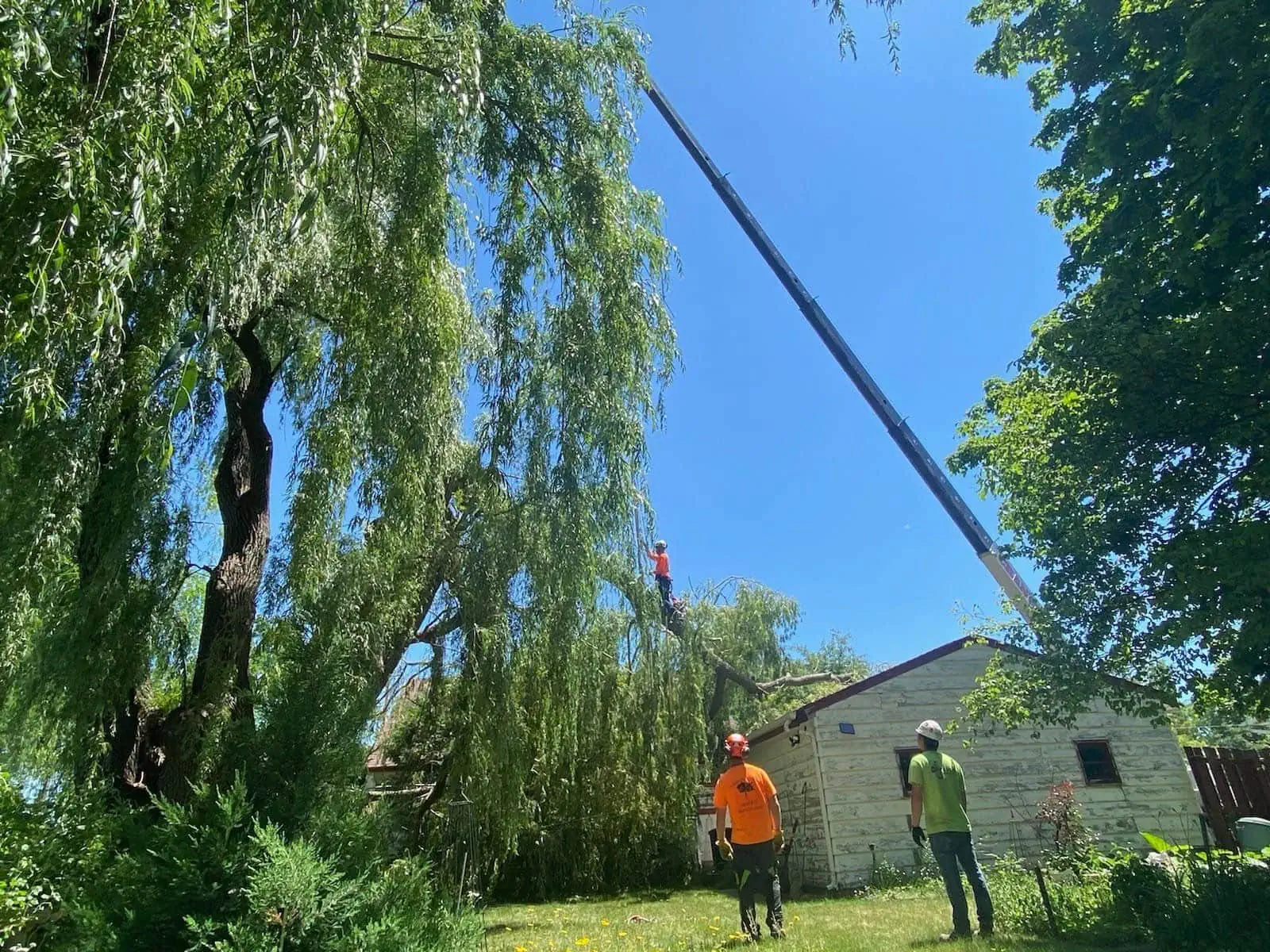
If your fall tree inspection uncovers bigger problems, like large dead limbs, deep cracks in the trunk, extensive decay, or signs of instability, you’ll need to contact a certified arborist. Urban Tree Service, for instance, excels at complex tree care, including crane-assisted tree removal for those truly hazardous situations. We can also provide the expert tree trimming Green Bay residents count on to get their trees ready for winter. Scheduling a professional assessment ensures a thorough diagnosis and safe execution of any necessary work, giving you real peace of mind through those long winter months. Trust me, you don’t want to underestimate addressing these issues promptly.
Getting Ready for Winter: Essential Tree Care After Your Fall Check
After you’ve done your fall tree inspection and taken care of any immediate dangers, there are still more steps you can take to get your trees ready for winter. Good winter tree prep can really boost your trees’ ability to handle cold temperatures, heavy snow, and strong winds. A big part of this is making sure they get enough water. Even though trees are dormant, they still need water, especially evergreens. If fall’s been dry, a deep watering before the ground freezes can help stop winter desiccation; that’s when trees lose moisture from their leaves or needles faster than their roots can take it in.
Want another solid tip? Lay down a fresh layer of mulch around your trees, but keep it a little ways from the trunk. This protective layer insulates the soil, helping it hold moisture and keeping root temperatures stable. That way, the roots are safe from wild cold swings. For younger trees, or any prone to frost cracks, you might want to wrap their trunks with burlap or tree wrap. It’ll give them a physical shield against sunscald and those annoying rodents. Lastly, if you’ve got trees with delicate or narrow-angled branches, think about using some gentle tie-downs or cabling. This can really help stop them from breaking under heavy snow loads, which, honestly, is a super common problem we spot during a good fall tree inspection. These simple steps, paired with a careful fall check-up, really do lead to healthier, safer trees for years.
Have Questions? I’ve Got Answers!
Why Bother with a Fall Tree Inspection in Green Bay?
Honestly, a fall tree inspection is super important for Green Bay homeowners. It helps us spot potential issues, like dead or weak branches, before winter really hits. And with all that heavy snow, ice, and strong winds, those small problems can turn into major headaches, causing expensive property damage or even injuries. Doing this check-up ahead of time really helps keep things safe and our trees healthy.
What Should I Be Looking For During My Fall Tree Inspection?
When you’re checking your trees this fall, start by scanning for dead or dying branches. Next, look for any cracks or splits in the trunk or the main limbs. Then, examine the tree for signs of decay, such as soft, spongy wood, fungal growth (mushrooms), or hollow spots. Don’t forget to keep an eye out for branches that are crossing or rubbing, and watch for any indications of pest activity.
When’s the Best Time for a Fall Tree Inspection?
The perfect window for a fall tree inspection is right after most of the leaves have fallen, but before the big snows hit. This timing gives you a super clear view of the tree’s structure without all that foliage in the way, making it much easier to spot problems.
Should I Get a Pro for My Fall Tree Inspection?
Sure, you can definitely do a quick visual check yourself. But honestly, I’d really recommend calling in a professional arborist for a more thorough fall tree inspection, especially if you’ve got large or older trees. They’ve got the know-how and the gear to spot those subtle problems, accurately size up risks, and safely tackle tricky issues like extensive decay or wobbly structures.
What If I Find a Dangerous Branch During My Fall Tree Inspection?
If you spot a hazardous branch during your fall tree inspection, especially one that’s big, high up, or too close to your house or power lines, you really should call a professional tree service, like Urban Tree Service, right away. Trying to remove branches like that yourself can be super dangerous and often just causes more damage.